On my oddy-knocky for the rest of the week and the weekend, as Wife has gone to AZ to visit her mother. In the past this was one of those marital cliches: wife is steaming mad, starts throwing things in the suitcase: I’m going to my mother’s! But I made all the reservations for her, using my special reservation tricks (ed - he does not, in fact, have any trucks), and I got her a car. That was the part that made me wince a bit, because I got a really good deal, and thus expected everything to fall apart once she got to the counter.

I went through AAA. No deposit, free cancellation. Easy! And the total secret price was less than AARP or Expedavelocity. The pages were odd: there would be the cost per day, $27, then it would say “$178” for the total, then small print that said “Total price $326.” Why? You suspect the answer is “Because.”

It went well, and she got the car. I did some tech support over the phone to clear up some problems her mother had. Did you try turning it off and on? Give that a try. We also have to unsubscribe her to 8,394 political fundraising that prey on the old and the dim.

Fargin’ vultures. My dad got a lot of those in paper form, and the only one to whom he ever gave money was an orphanage for Native American children. He sponsored kids and contributed to operating expenses. Because he remembered what it was like to grow up without much.

At one point he did give money to a politician, and of course the list was sold far and wide. The good news is that I had the chance to meet that politician in a private meeting before a cruise, and I asked him what he did with my father’s money. He had a good answer but of course, he would.

So: what will the menu be for the next five days? No longer cooking for two. I had a burger tonight left over from Saturday. I always make extra burgers for lunch, or for Birch. Friday, of course, is pizza. Saturday, of course, will be . . . a fresh burger. But Thursday, that’s the big question. It has to be something I wouldn’t make when Wife is home. That would be along the lines of internal-bleeding-spicy Mex-o-Meat.

Well, I will certainly keep you posted.

Our weekly recap of a Wikipedia peregrination. Expect no conclusion or revelations, but if you've been with us since this started next year, you know . . . sometimes we learn interesting things.

   
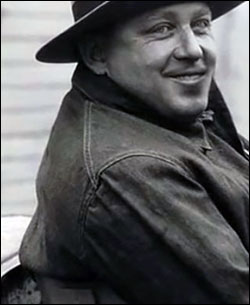
  So! How do we get from here . . .
   
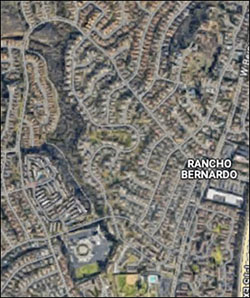
  . . . to there?


While looking for something, I learned about something else: it’s always like that, every day. In this case I learned that I don’t know what something means.

It looks like something from a dystopian future when everyone has numbers for names, or at least is known primarily by their numerical string. It had to mean something to the target market, or they wouldn’t have led with it.

Tech, that’s the key. It’s on a page of 1967 ads for tech guys:

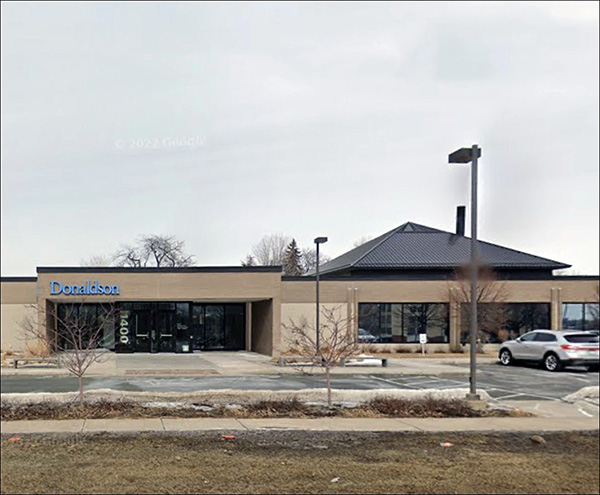
So what did this company do? Call up the address in the ad, and . . .

. . . that’s a very suburban 70s design. Small outfit, right?

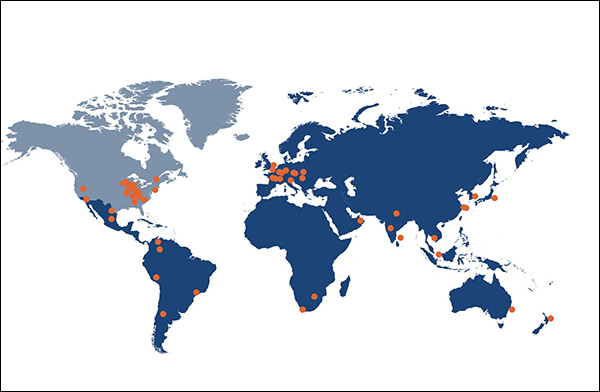
Website map of facilities:

They’re a filtration manufacturer.

In 1915, a young Frank Donaldson Sr.—then a Bull Tractor Company salesman—visited a customer whose tractor kept breaking down in his dusty field. Frank hand-fashioned a simple air cleaner to protect the engine and invented the world’s first effective air cleaner for a tractor engine. 

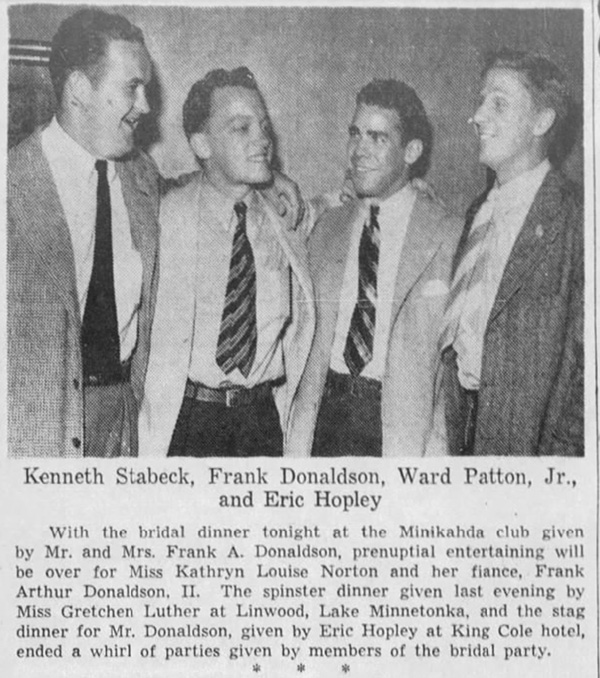
That's Frank Sr. in the "here" picture up above.

Any relation to the Donaldson department store family? It doesn’t seem so. Frank Jr. shows up in the society columns in the 40s, usually at this wedding or that.

After a WW2 stint in the Navy, he would take over the company when his father died. He passed in 91. Anyone else in the picture of interest?

The one on the left, Stabeck, founded a company that’s still around.

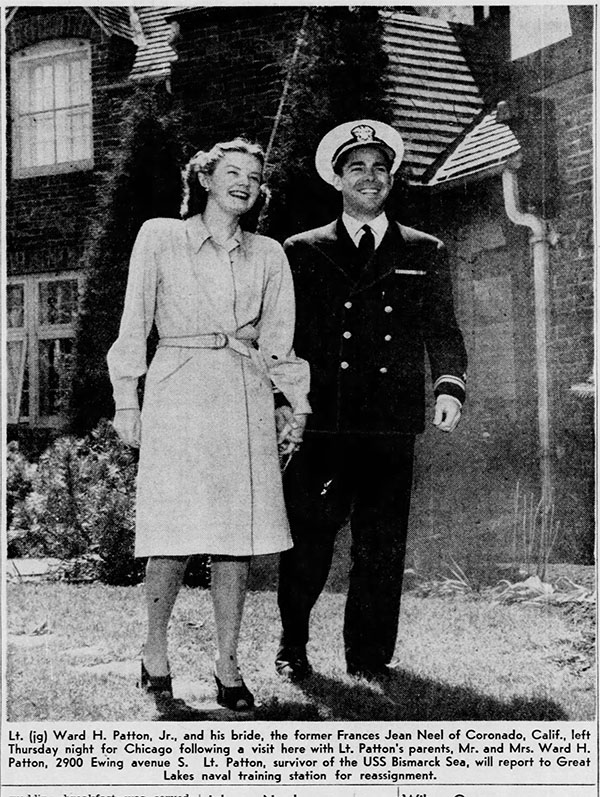
Ward Patton Jr. in the paper, a few years later:

Can we find it? We can find it.

Survivor of the Bismarck Sea, it says.

USS Bismarck Sea (CVE-95) was the fortieth[1] of fifty Casablanca-class escort carriers built to serve the United States Navy during World War II; she was the only ship of the United States Navy to be named for the Battle of the Bismarck Sea. Completed in May 1944, she served in support of the Philippines campaign, and the landings on Iwo Jima. On 21 February 1945, she sank off of Iwo Jima due to two Japanese kamikaze attacks, killing 318 crewmen. Notably, she was the last aircraft carrier in U.S. service to sink due to enemy action.

Far cry from the happy socialite picture with the pals.

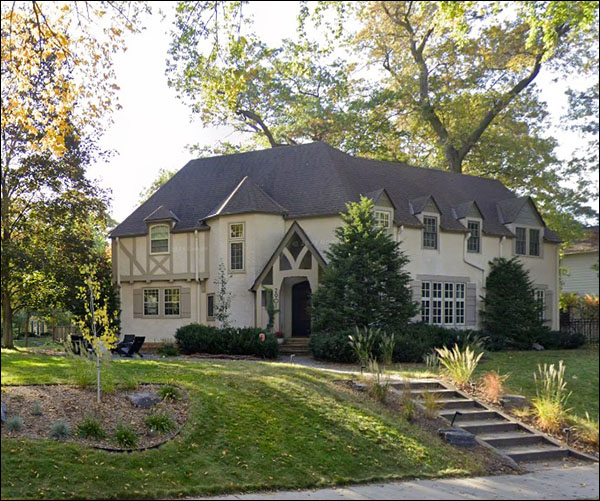
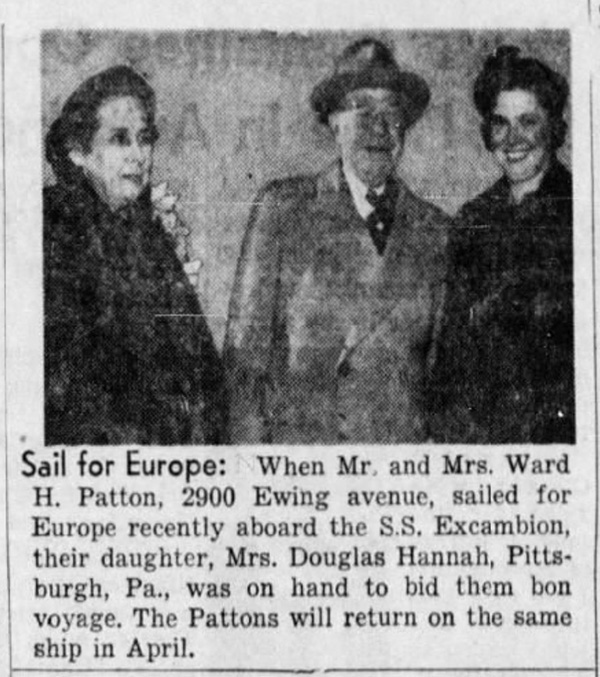
I get a whiff of “old discreet money” from this one. The name shows up in various charity events. The paper noted when they were leaving for Europe.

Come rob their house! There’s no one there!

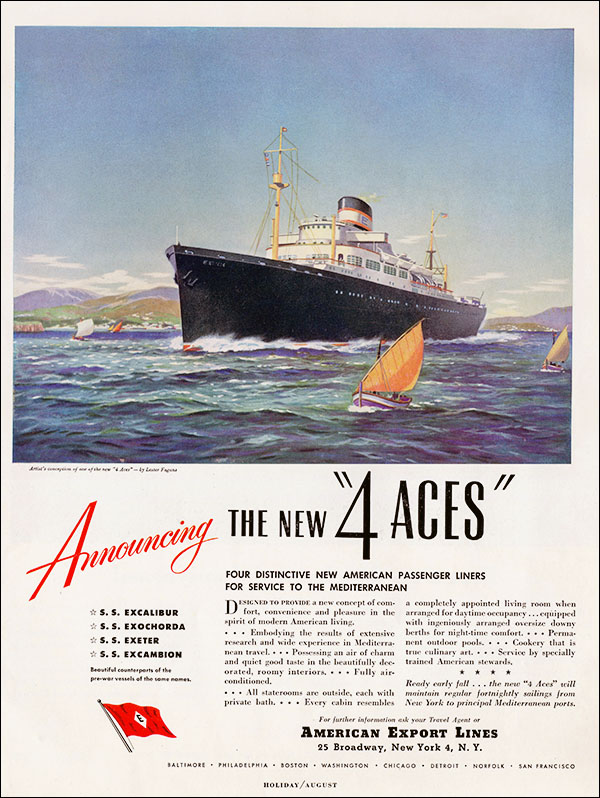
The ship, by the way, was this beaut, one of the “Four Aces.”

It went by other names:

SS Excambion was the site of a major scandal in 1957 in Marseille when the ship was found to be carrying 20 kg of heroin for the French Connection.

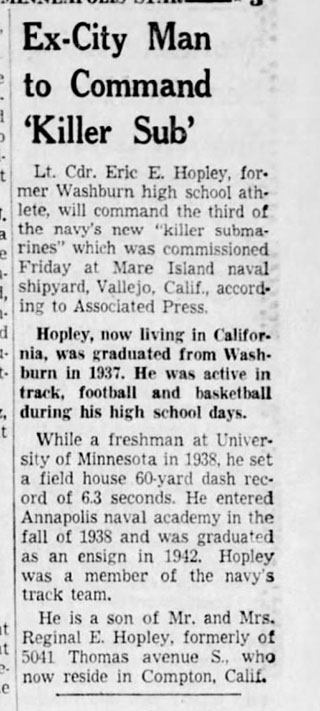
Anyway. What of Eric Patton after his trip home? He did a stint on a sub. A few mentions in Navy comings-and-goings page, then the name doesn’t have any strikes until someone, in a 1977 letters-to-the-editor section, complains about a letter he wrote to the paper about supplying towels for gym. So I found the letter . . .

   
  He did a stint on a sub. A few mentions in Navy comings-and-goings page, then the name doesn’t have any strikes until someone, in a 1977 letters-to-the-editor section, complains about a letter he wrote to the paper about supplying towels for gym. So I found the letter . .


Wikipedia says “Rancho Bernardo is a master-planned community in the northern hills of the city of San Diego, California." That's the "There" picture above.


So, Navy, retired? Yes indeed, according to his wife’s obit. She sounds like a peach. It says her husband preceeded her. And her daughter. And her son.

And that’s where I stopped.


Six thousand souls, and home to Dakota State University. That is almost the entirety of its Wikipedia entry.

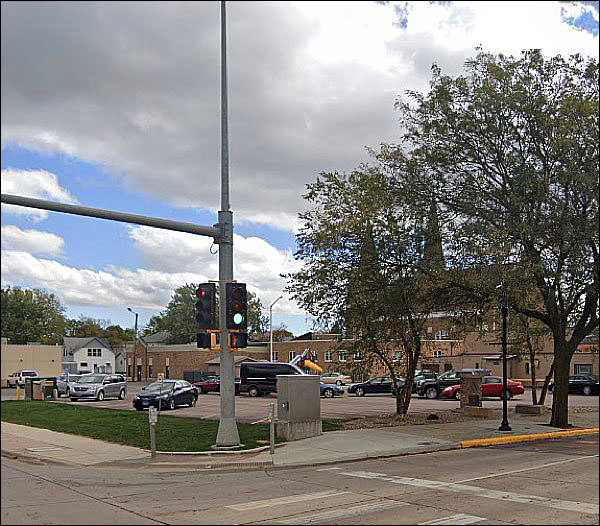
The other Madison. Now why did I start here?


Oh


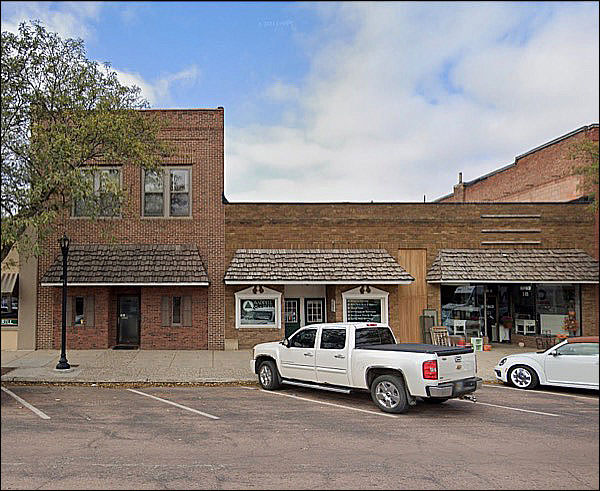
Rote and on the cheap -

- but still solid. Small towns need these.

Of course, it’s nice to have something more interesting to behold. Which is not this.


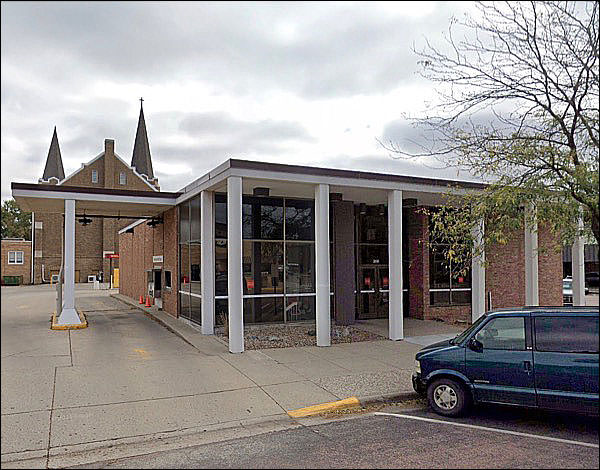
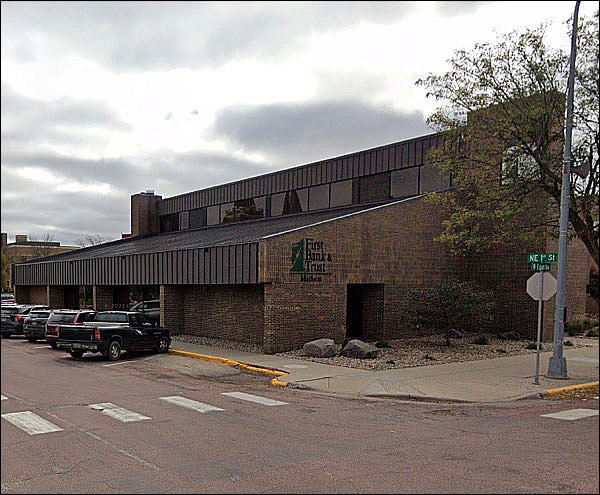
OUMB, but well-proportioned, and not unattractive in its stark modern statement.


A rare triple Buckaroo Revival!


Okay, this is the OUMB. Jeebus. The intersection of late 70s - early 80s produced some notable dogs.


The eruption of the nearby volcano buried the town up to the top of the first floor, leaving no traces of the original appearance


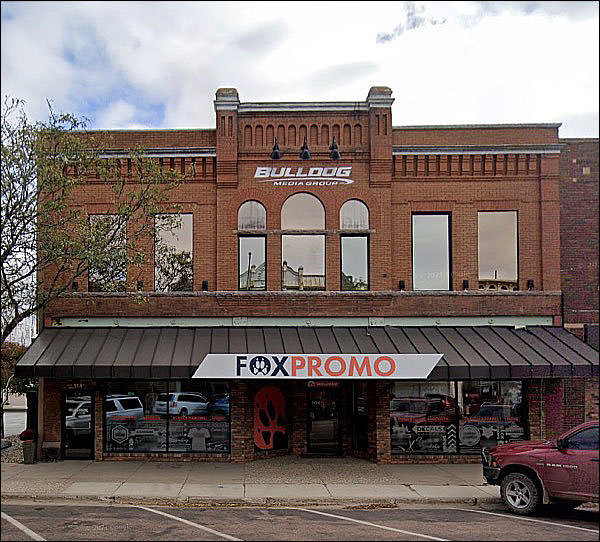
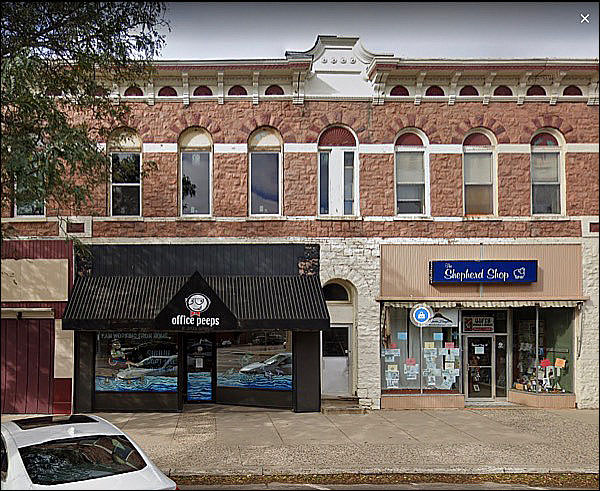
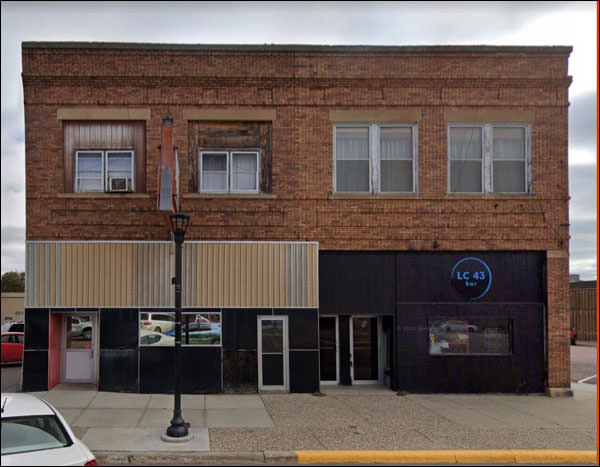
Better. The sheet-metal awning, an 80s / 90s relic, should go, but it’s well-maintained, a good example of the “ornamentation via brick” school of economy.


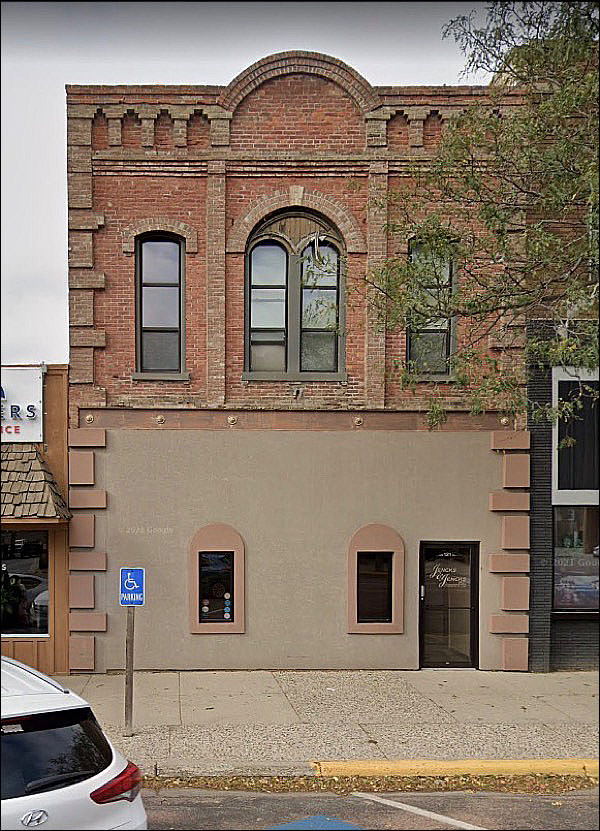
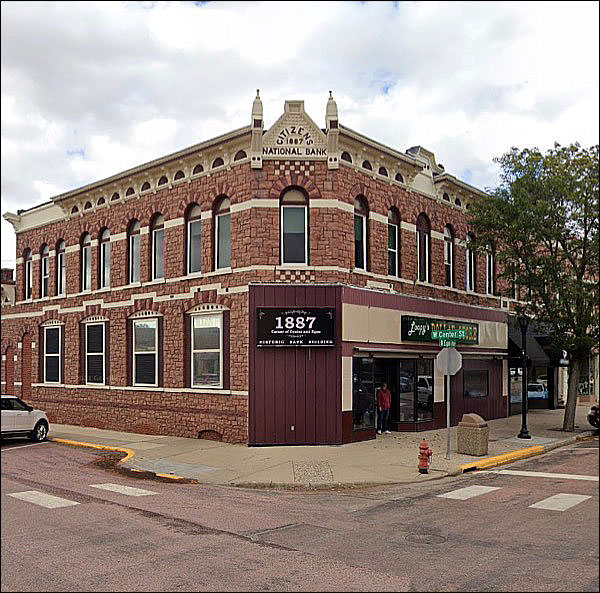
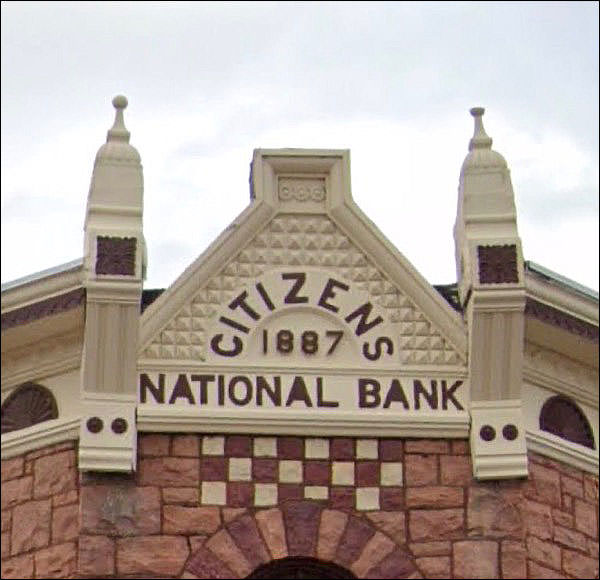
Rusticated citizen from an earlier era, with a little crown uncomfortably wedged into the cornice.

It would seem to refer to the second-floor entrance below.

The corner view.

Pity about that front door.

Yes, yes, we know, 1887

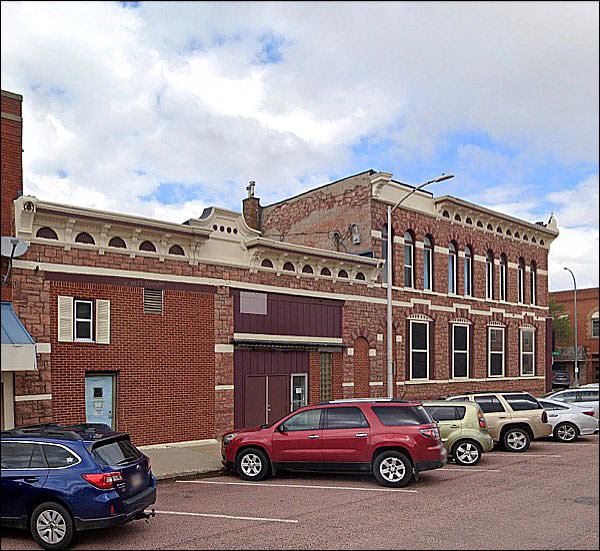
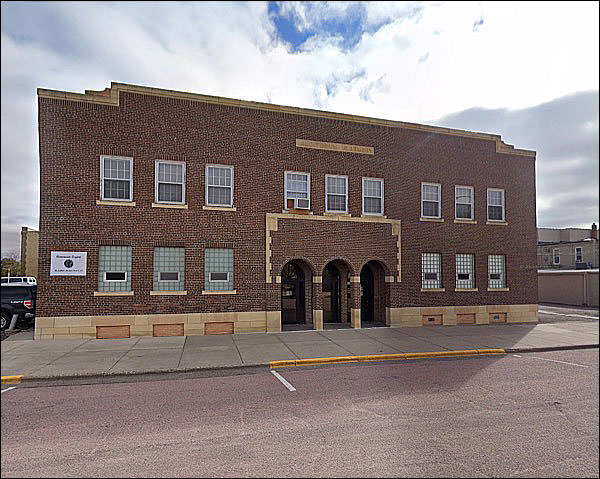
The other side. This was quite the project.

It’s been remodeled over the years into incoherence.

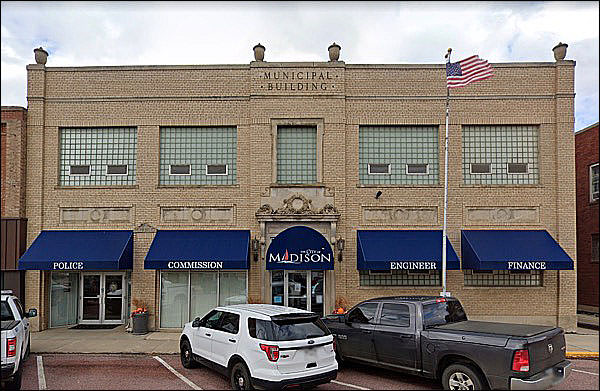
A sober, economical building:

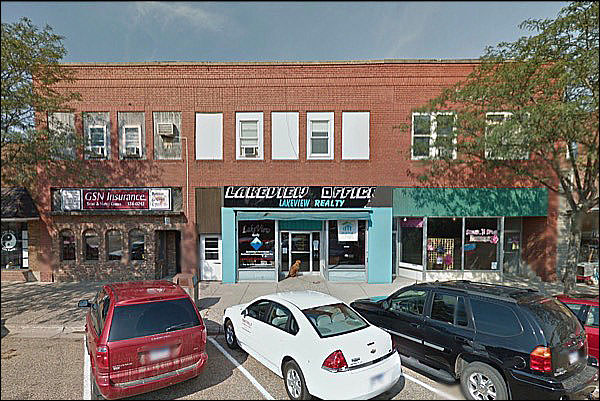
Cute little vases for civic pride. The awnings make it look like an insurance office offering home fire auto.

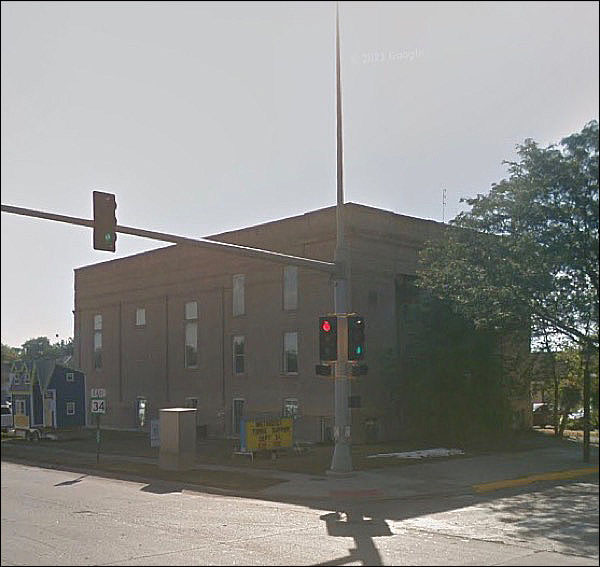
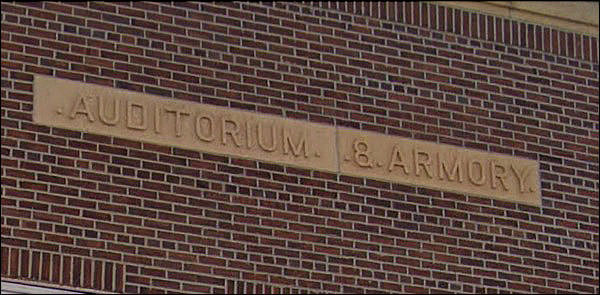
The auditorium: another sign that the folk of this fine town were tight with a dime.


No need to have a separate building for each!


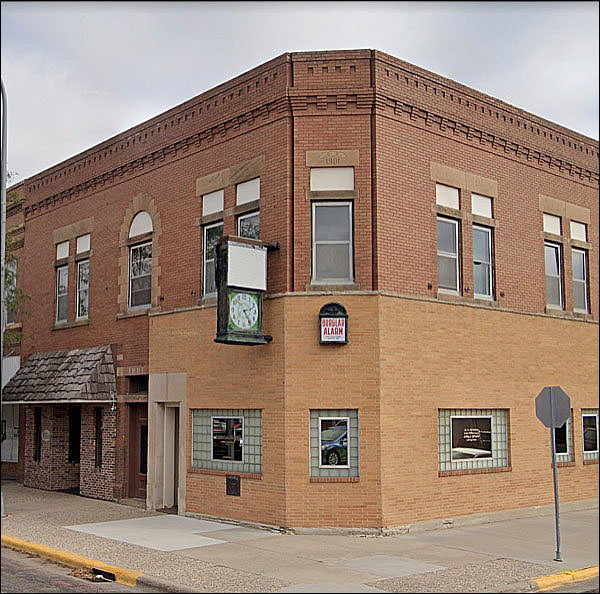
Another bank, obviously. The corner position, the sign. And, of course, the ALARM.

It really got scraped and paved, though. And our condolences to the mid block portion, which got a late 60s / early 70s brick job and a Buckaroo awning.

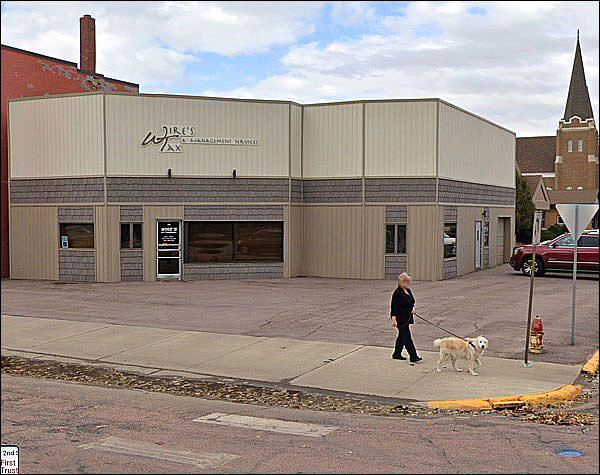
Once gas, now tax.

With that awful strip- shingle siding. Gah.

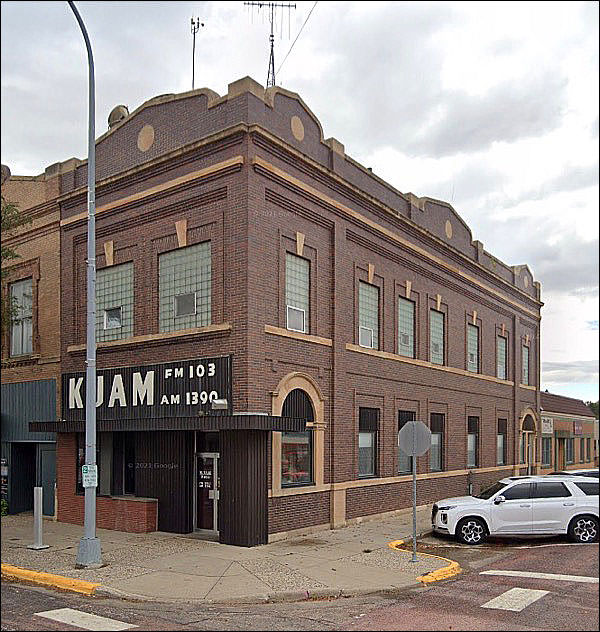
More glass brick than I’ve seen in a while. I don't mind it. The ground floor renovation makes you feel well-disposed to the designer, because . . .

. . . they liked to put in those modern planters. Flowers and greenery. It was very 1955.

This bad idea seems to be original.

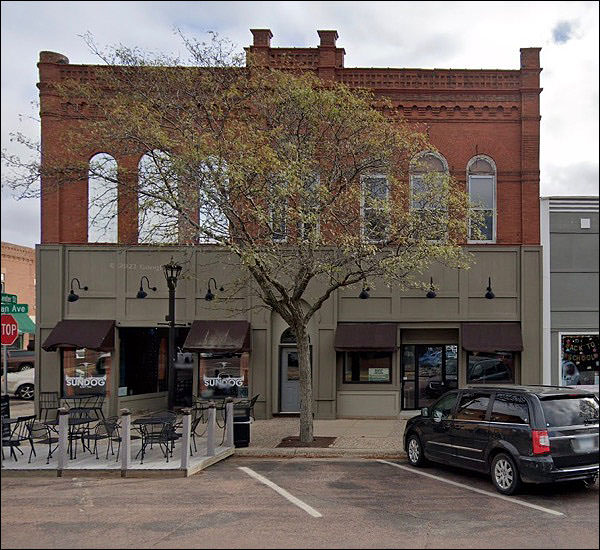
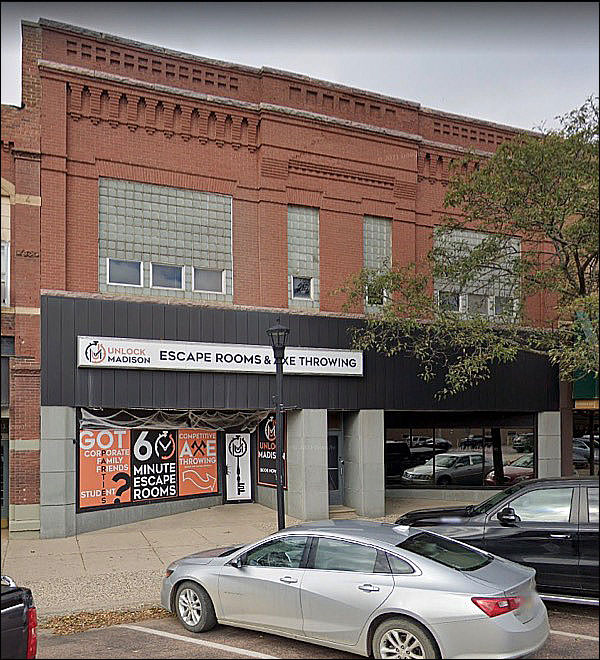
There are worse examples of facadomy. The lights make it seem almost in the same universe as the original design, and the materials aren’t so up-to-date that it looks - well, dated.

“Escape rooms and axe throwing.”

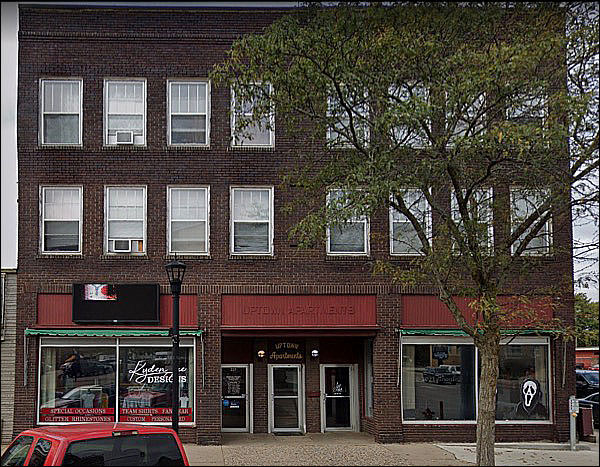
As I said, lots of glass block. The lower floors are post-war. The upper-floor brick decoration in the middle does not suggest the work of a master.

Dull at birth, and there really isn’t much you can do with it.

But obviously, they tried.

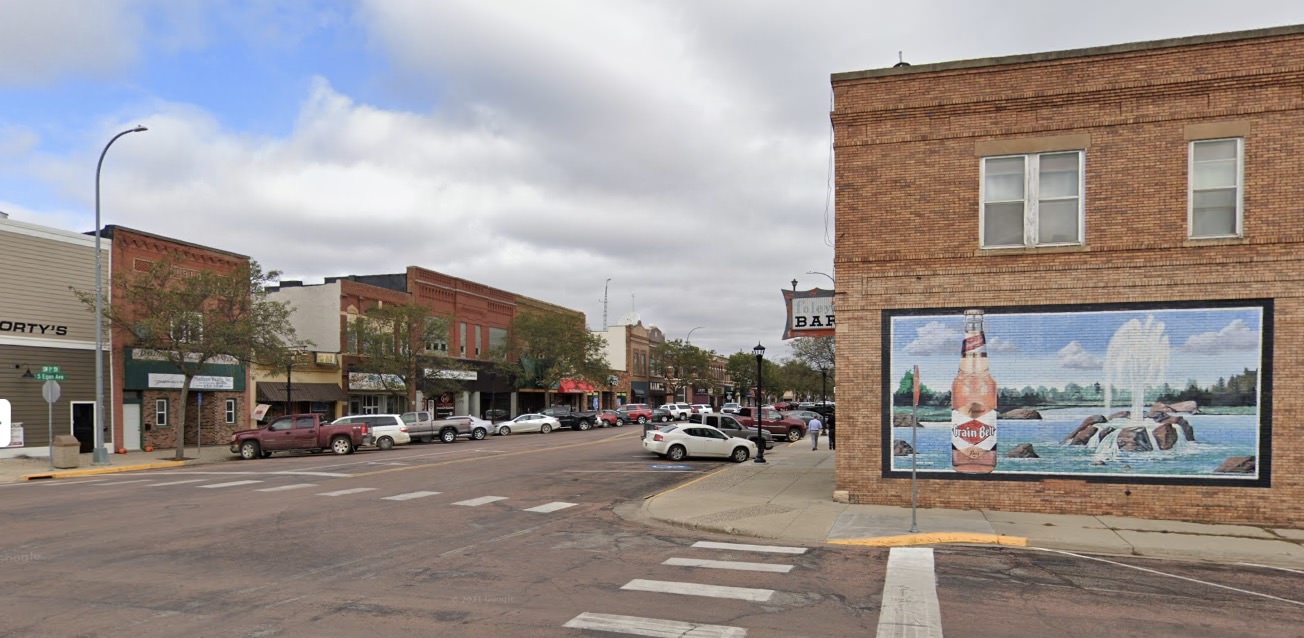
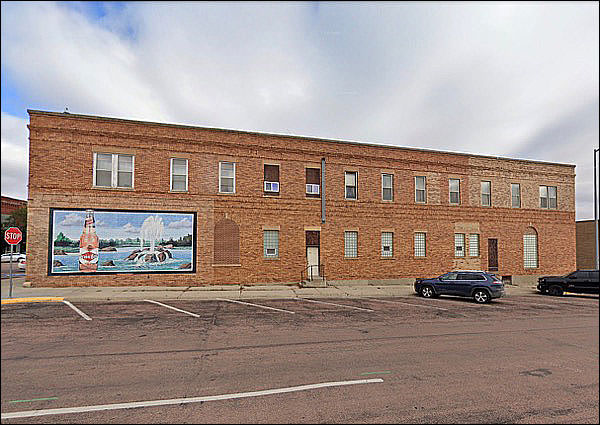
The side, complete with Grain Belt ad. I’m really curious about the history of this one.

Really! It’s dull, yes, so what was the developer thinking? Just making some rentable space, and if anyone thought it was a bit stark, well, let them pay for fancy stone. What’s with the second floor on the end? Was that an addition? The same color is used on the ground floor, and next to another window. Possibly a fire.

“Can you match the bricks?”

“Sure, but this color’s gone out of production. I’m sure the boys up in Hebron will do a custom job, though, for a little more money -“

“Just use what you have.”

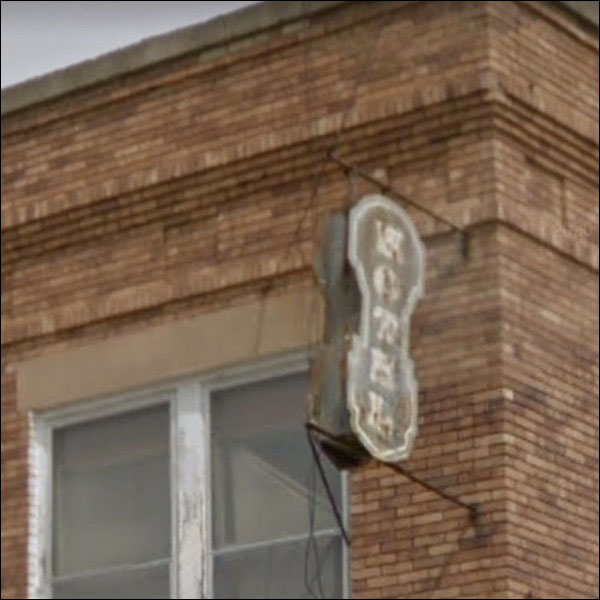
Anyway, something about this says hotel to me, even though there aren’t the tell-tale small windows to indicate a bathroom. I went back to see if I could detect a line in the brick to explain the different hues, and hello:


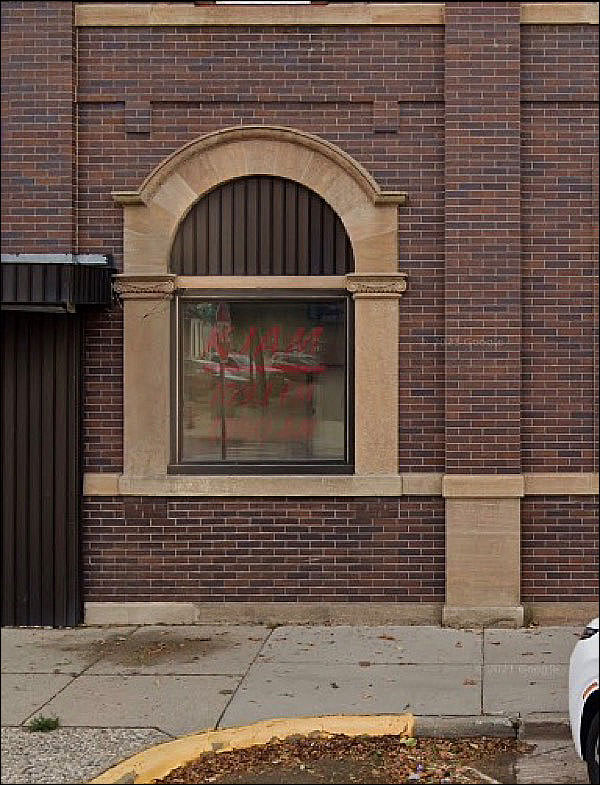
That’s from a 2016 view. Gone now. I also noted some signage I’d missed:

And:

Up here, we know just what that was. We can even hear the song.

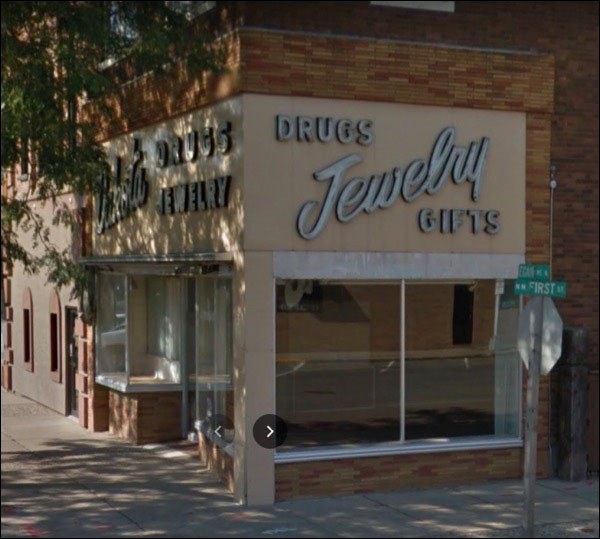
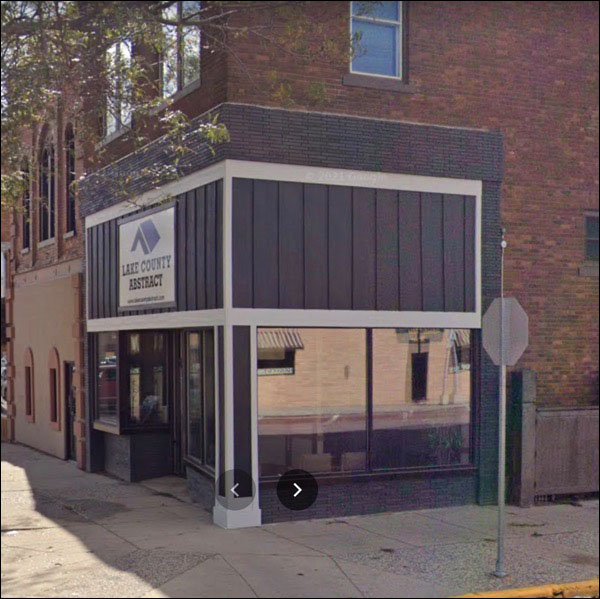
One more thing I missed on my first trip: this is a corner as it looks today.

And this is what it was. DAMMIT.


That'll do! This year's Urban Studies updates continues, with Main Street postcards.
 

blog comments powered by Disqus